
Guanabara Bay Agroecological Corridor
Empowering smallholder producers, especially women and youth, to access reliable markets, increase income through agroecological farming, and build long-term resilience via training, shared branding, and regenerative agroforestry.
Protect and restore forests and ecosystems
South and Central America
2026-2027
UN Sustainable Development Goals


The objective
To support 250 smallholder producers across eight hubs by establishing recurring market access points, professionalising local entrepreneurs, developing value chains for jackfruit and cacao, planting 4,000 trees, and delivering technical assistance to 35 women farmers (“Guardians of the Earth”).
The issue
The Recôncavo da Guanabara region faces high ecological value and social vulnerability. Forest loss, climate extremes, and irregular rains degrade water sources and biodiversity, while smallholder families struggle with low, unstable incomes and limited market access. Women and youth lead many initiatives but lack mentoring, seed systems, and practical training. The project addresses commercialisation tied to regenerative practice, enabling households to earn fairly and restore the landscape.
The partner: Instituto Sinal do Vale
Instituto Sinal do Vale is a place-based biohub in Brazil’s Atlantic Forest, linking restoration, agroecology, and livelihoods. The organisation has trained 250 producers, restored 30 hectares, and planted over 50,000 trees.
Read more here: sinaldovale.org
The project
- Operate 3 recurring points of sale and deliver 3 market activations (fairs/trail pop-ups)
- Accelerate 6 pioneer entrepreneurs through a professionalisation track
- Design and pilot regenerative jackfruit and cacao supply chains
- Plant 4,000 trees across 3 agricultural hubs
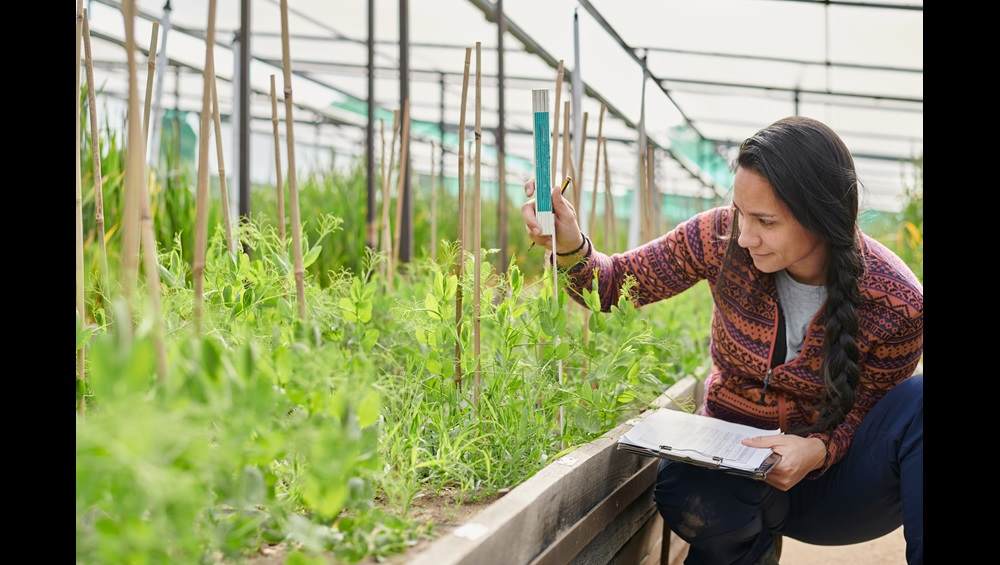
- Provide technical assistance to 35 women farmers ("Guardians of the Earth")
- Engage youth in digital marketing storytelling
- Build a replicable model for sustainable livelihoods and ecosystem restoration
“The renewal of Croda Foundation’s investment will consolidate a replicable model integrating environmental regeneration, productive inclusion, and social innovation, aligned with the SDGs and CRODA’s commitment to sustainable value chains.”

Eduardo Bocatto, Learning & Development Specialist, Croda Brazil
Impact
- 250 smallholder producers gain reliable market access and increased income
- 35 women farmers receive technical assistance and lead peer-to-peer training
- 4,000 trees planted to restore ecosystems and support future food/forest income
- 3,000 indirect beneficiaries (families and communities)
- Improved food security, biodiversity, and resilience for the region
Croda Foundation, established in 2020, is an independent charitable company set up by FTSE 100 specialty chemicals company, Croda International Plc, and is registered in England and Wales (number: 1196455). The Foundation is solely funded by generous donations from Croda International Plc and led by an independent Board of Trustees.